Natsproektstroy Expert Weighs In on German Rail Disruption and Russian HSR Resilience
A major failure in the GSM-R digital radio communication network paralyzed railways across Germany yesterday. The disruption halted intercity and regional trains, as well as suburban S-Bahn networks in Berlin and Munich. Operator Deutsche Bahn cited a "scheduled technical component replacement" as the cause of the incident.
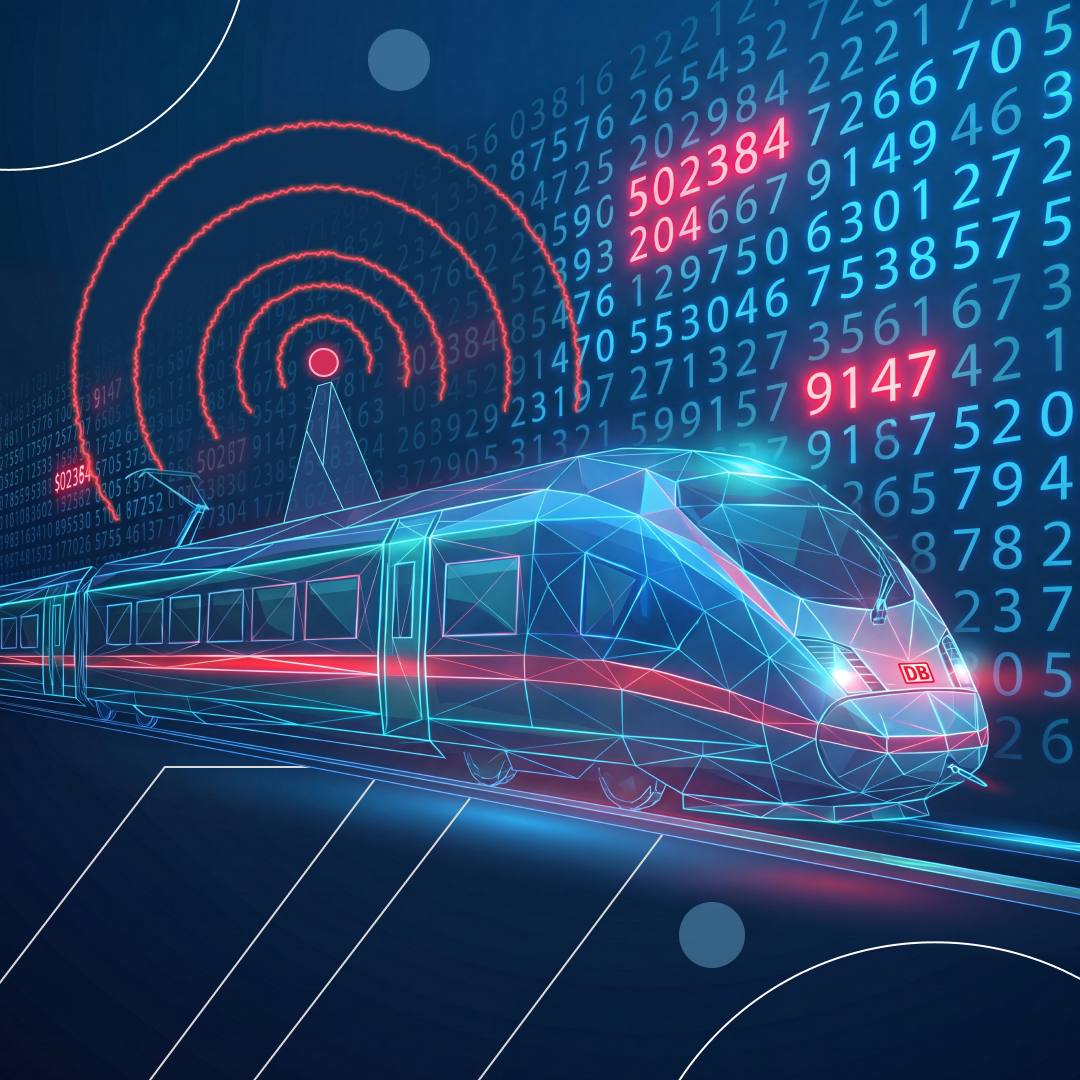
Could a similar system failure occur here, and how dependent is the HSR line on reliable communications? Pavel Mashchenko, Director for Innovative Development of the Natsproektstroy (NPS) Signaling Division, explains:
"Traffic management on German mainlines relies on a dedicated GSM-R wireless channel to exchange commands, combined with a network of track-based transponders. As the train passes over these sensors, it transmits its location data to the control center. The vulnerability lies in the lack of a parallel backup channel to switch to if the primary network fails. In networks like Germany's, GSM-R base stations are supposed to be redundant and overlap adjacent towers. However, during a widespread outage like yesterday’s, these measures are insufficient.
The mission for the developers of the Russian train control system on the Moscow–Saint Petersburg HSR line is to ensure operational safety at train speeds of up to 400 km/h. To guarantee maximum reliability, two parallel channels will be utilized simultaneously: a rail-based channel using track circuits and a radio channel operating over LTE.
Track circuits monitor track block occupancy and relay data between trackside devices and the train. If an LTE failure occurs, the Radio Block Center (RBC) will seamlessly continue managing traffic based on data from the Automatic Train Protection (ATP) system via the rail-based channel."